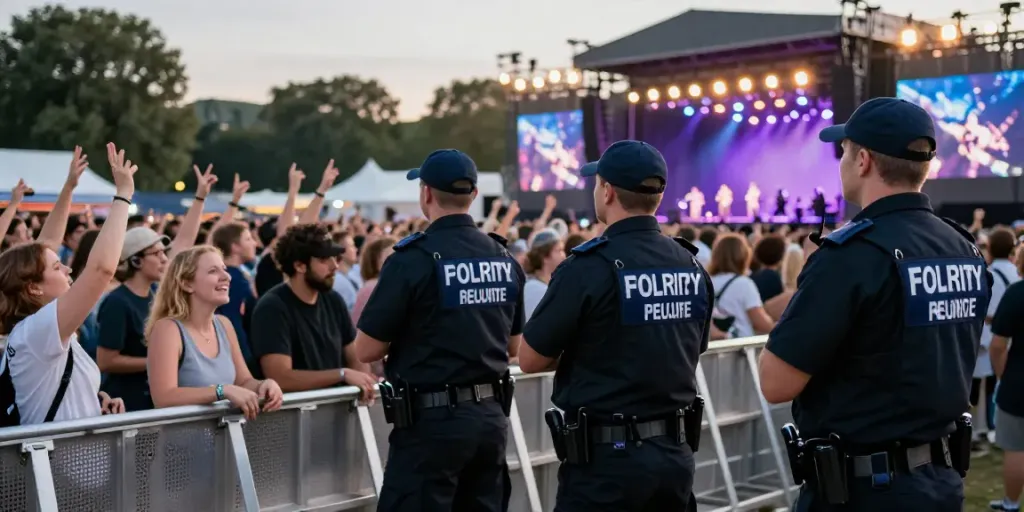
Understanding Event Security: Key Responsibilities
Event security is an essential component of any successful event planning. It ensures the safety of attendees, staff, and assets while providing a welcoming atmosphere. When exploring options, Event Security offers comprehensive insights into how best to approach these service needs. From concerts to corporate gatherings, a well-structured security plan can make the difference between a successful event and a troubled one.
What is Event Security?
Event security is a specialized field that focuses on protecting various types of events from potential threats and ensuring the safety of participants. It encompasses a wide range of responsibilities, including crowd management, access control, and emergency response. Security personnel are tasked with identifying risks, developing contingency plans, and executing safety protocols to create a secure environment.
Core Duties of Event Security Personnel
Security personnel at events are responsible for a number of critical tasks, including:
- Crowd Management: Monitoring crowd behavior and ensuring that attendees adhere to safety guidelines.
- Access Control: Checking tickets, managing entry points, and ensuring unauthorized individuals do not enter.
- Emergency Response: Planning and preparing for potential emergencies, including medical incidents, evacuations, or disturbances.
- Conflict Resolution: Addressing disputes and ensuring a safe environment for all guests.
- Surveillance: Using technology to monitor real-time situations and identify security threats quickly.
Types of Events Requiring Security Services
Multiple events require security services, including but not limited to:
- Concerts and Music Festivals
- Corporate Events and Conferences
- Sporting Events
- Weddings and Private Parties
- Public Gatherings and Demonstrations
- Trade Shows and Expos
Choosing the Right Event Security Provider in London
Selecting a competent event security provider is crucial for ensuring the safety of your event. It's essential to evaluate various factors to make an informed choice.
What to Look for in a Local Security Company
When choosing an event security provider, ensure they are experienced, licensed, and familiar with local regulations. Key attributes to consider include:
- Experience: How long has the company been in business? Is their team well-trained and experienced in managing events like yours?
- Certifications: Look for companies with SIA (Security Industry Authority) accreditation, which demonstrates compliance with industry standards.
- Tailored Services: Does the company provide personalized security solutions based on the specific requirements of your event?
Importance of Licensing and Insurance
It is essential for any security company to be fully licensed and insured. This protects both the provider and the client from liabilities in case of incidents. Verify the licensing status and ask for proof of insurance before hiring any security personnel.
Customer Reviews: How to Evaluate Trustworthiness
When searching for a reliable event security provider, customer reviews can offer critical insights into their reputation. Look for companies with numerous positive reviews and testimonials from previous clients. Online platforms and social media can serve as valuable resources for assessing potential security companies.
Cost Breakdown of Event Security Services
The cost of event security can vary widely based on several factors, including event size, location, and specific services required. Understanding the cost structure is essential for effective budgeting.
Average Pricing for Event Security in London
Typically, event security firms charge between £12 and £25 per hour depending on the complexity of the service. High-demand periods and skilled personnel can drive prices upward, while basic security monitoring can be more affordable.
Factors Influencing Security Costs
Several factors can influence the overall cost of event security, including:
- Event Duration: Longer events will require more hours of service.
- Number of Security Personnel: Larger events may necessitate more guards on site.
- Type of Security Services: Specialized services such as close protection or advanced surveillance will typically incur additional costs.
Understanding Invoices and Pricing Transparency
Request detailed breakdowns of costs in all contracts and invoices. This transparency will help you understand what you are paying for and ensure there are no hidden fees during the process. Ask potential providers about their pricing structure upfront to avoid surprises later.
Seasonal Event Security: Preparing for Busy Months
Event security needs can heighten during busy seasons, such as holidays and summer festivals. Effective planning can ensure a successful and secure experience for guests.
How to Plan for Events During Peak Seasons
During peak seasons, early planning is crucial. Book your security team well in advance to ensure availability and the necessary resources to support your event smoothly. Collaboration with your chosen security provider allows for customized planning for different possibilities that may arise.
Special Considerations for Outdoor Events
Outdoor events present unique challenges, including weather conditions and additional safety risks. Ensure your security provider is equipped with the necessary tools and training to adapt to outdoor settings effectively.
Seasonal Trends in Event Security Needs
Security needs can vary seasonally; for example, summer may see an increase in outdoor festivals, while winter might focus more on corporate parties and holiday events. Understanding these trends can help inform your security strategy.
Emergency Preparedness and Response in Event Security
Proper management of emergencies is vital for event security personnel. Developing protocols for various types of incidents can save lives and protect assets.
Common Risks at Events and How to Mitigate Them
Some risks that might arise at events include:
- Overcrowding
- Alcohol-related disturbances
- Medical emergencies
- Weather-related incidents
- Security breaches or thefts
Develop strategies with your security team to prevent and mitigate these risks.
Creating an Emergency Response Plan
Your emergency response plan should cover specific protocols for various situations, including evacuation procedures and points of contact for emergency services. Ensuring that all staff members are familiar with the plan is crucial for its success.
How Event Security Enhances Safety and Customer Experience
A strong security presence not only deters potential threats but also enhances the overall customer experience. For more information, Event Security offers valuable insights. When attendees feel safe, they are more likely to enjoy themselves and return for future events.