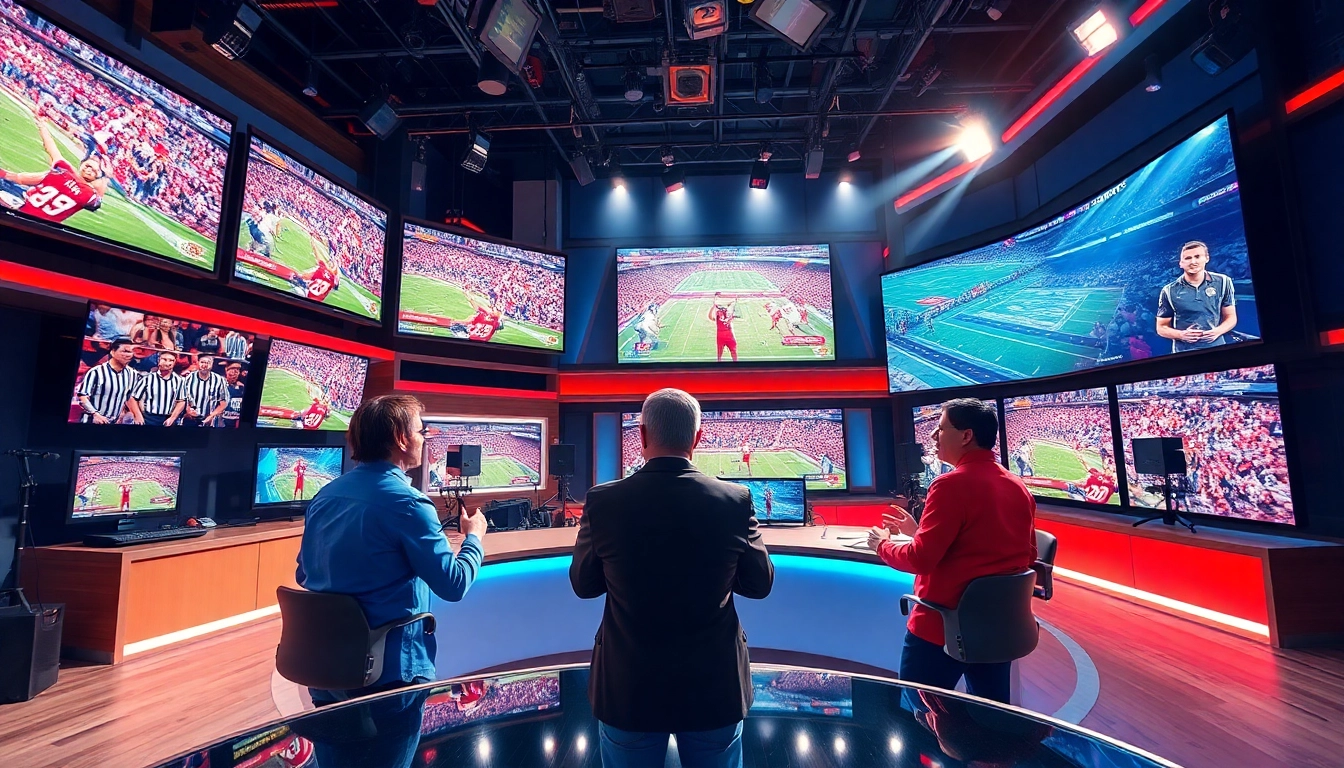
Understanding the Landscape of Sports Broadcasting
The field of Sports Broadcasting has evolved significantly over the past few decades, transforming how audiences experience their favorite sports. From radio broadcasts to high-definition streaming, the industry has adapted to changing technologies and audience expectations. This article explores the historical evolution of sports broadcasting, identifies the key stakeholders, and analyzes emerging trends reshaping the landscape.
Historical Evolution of Sports Broadcasting
Sports broadcasting can be traced back to the early days of radio, where live commentary allowed fans to follow games remotely. The first major event broadcasted was the 1921 boxing match between Gene Tunney and Jack Dempsey, marking the beginning of a trend that would continue with baseball, football, and other sports. As television technology advanced post-World War II, sports broadcasting entered a new era. Networks invested heavily in sports rights, leading to widespread local and national broadcasts.
With the advent of cable television in the 1980s and 1990s, dedicated sports channels such as ESPN revolutionized how sports were consumed. The introduction of high-definition broadcasting in the late 2000s further enhanced viewer experience, allowing audiences to enjoy detailed visuals and enhanced commentary. Today, the rise of the internet and mobile technology has opened doors to streaming services, enabling on-demand viewing and a shift in audience engagement.
Key Stakeholders in Sports Broadcasting
The sports broadcasting ecosystem involves various stakeholders, each playing a critical role in shaping the viewer’s experience. Here are the primary players:
- Networks and Channels: Major networks purchase broadcast rights for sports events, creating tailored programming to attract viewers.
- Sports Leagues: Organizations like the NFL, NBA, and FIFA negotiate broadcast deals, which significantly impact revenue streams.
- Advertisers: Brands invest in sports advertising due to the vast audience reach and engagement potential that sports events offer.
- Streaming Platforms: Emerging platforms have transformed viewership habits, providing alternatives to traditional broadcasts.
- Fans: Ultimately, fans are the core of the broadcasting ecosystem. Their preferences and behaviors dictate how content is produced and distributed.
Emerging Trends in Sports Broadcasting
The landscape of sports broadcasting continues to evolve rapidly, driven by technology and changing consumer behaviors. Key trends include:
- Blockchain and NFTs: Technology allows for unique fan engagement opportunities and ownership of digital memorabilia.
- Augmented Reality (AR) and Virtual Reality (VR): These technologies create immersive viewing experiences, enabling fans to feel part of the action.
- Increased Interactivity: Broadcasters are adopting interactive features, allowing viewers to customize their experience and engage more with the content.
- Mobile Broadcasting: Live streaming via mobile apps provides flexibility, catering to viewers’ on-the-go lifestyles.
Essential Skills for Sports Broadcasting Professionals
A career in sports broadcasting requires a unique blend of skills that go beyond traditional journalism or entertainment presentation. Here, we delve into the essential skills needed for professionals in this dynamic field.
Communication Skills for Effective Presentation
Effective communication is the cornerstone of sports broadcasting. Professionals must be adept at conveying complex information in a digestible manner. This includes not only verbal skills but also non-verbal communication techniques, such as tone of voice and body language. Whether in front of a camera or delivering commentary, the ability to engage with the audience is crucial. Practicing clarity, conciseness, and enthusiasm can make all the difference in captivating viewers.
Technical Proficiency in Broadcasting Tools
Understanding broadcasting tools and technologies is essential for any sports broadcaster. This includes familiarity with cameras, editing software, live streaming platforms, and production equipment. With the growing reliance on digital channels, knowledge of social media platforms and their integration into broadcasting strategies is also vital. Continuous learning and adaptation to new technologies will help broadcasters stay relevant in an ever-evolving industry.
Analytical Skills for Game Analysis
Analytical skills are paramount in providing insightful commentary and analysis. Broadcasters must grasp not only the game’s rules but also its intricacies, player statistics, team dynamics, and strategies. The ability to analyze game footage critically allows professionals to offer valuable insights, enhancing the viewing experience. Developing a keen understanding of sports analytics tools can help broadcasters deliver more engaging and informative content.
Technology Transforming Sports Broadcasting
Technology has significantly impacted sports broadcasting, changing how viewers consume content, engage with their favorite teams, and interact with broadcasters. This section explores the pivotal role of technology in the industry.
Role of Streaming Services in Sports Broadcasting
Streaming services have revolutionized sports broadcasting by offering flexible viewing options that cater to modern audiences. Unlike traditional cable networks with rigid schedules, streaming platforms allow fans to watch games on-demand, providing access to international leagues and niche sports. Services like live events, replays, and highlighted clips enhance viewer engagement. As more viewers shift to these platforms, traditional broadcasters are compelled to adapt their strategies.
Impact of Social Media on Audience Engagement
Social media has become integral to sports broadcasting, enabling real-time interactions between fans, broadcasters, and athletes. Platforms such as Twitter and Instagram allow broadcasters to share highlights, conduct polls, and engage fans with behind-the-scenes content. This two-way communication fosters a deeper connection between the audience and the sport and encourages user-generated content, expanding reach and visibility. Broadcasters must leverage these platforms strategically to maximize engagement and build a loyal audience.
Future Technologies Shaping Sports Broadcasting
The future of sports broadcasting is predicted to be shaped by emerging technologies such as AI and machine learning. These innovations offer opportunities for personalized viewing experiences, such as targeted advertising and tailored content suggestions based on viewer preferences. Furthermore, advancements in 5G technology will enhance live streaming quality, allowing for real-time viewer interaction and multi-angle viewing options. Embracing such technologies will be crucial in staying competitive in the industry.
Best Practices for Engaging Sports Broadcasting
To be successful in sports broadcasting, engaging the audience is paramount. This section outlines best practices that can help broadcasters connect more effectively with viewers.
Creating Compelling Content for Viewers
Compelling content is the foundation of successful sports broadcasting. Broadcasters should focus on storytelling by presenting engaging narratives that resonate with audiences. This involves highlighting key moments, celebrating athletes, and fostering discussions around rivalries. Exploring different formats, such as interviews, expert analysis, and in-depth reports, can also make the content more dynamic and appealing. The goal should always be to offer unique perspectives that captivate viewers.
Building Rapport with Sports Audiences
Building rapport with the audience fosters loyalty and encourages continued viewership. Personal touches, such as acknowledging fans’ contributions or responding to their queries, can enhance this connection. Creating a consistent on-air persona that aligns with the brand can also help establish trust. Engaging in community initiatives and collaborating with fan groups further deepens the bond between broadcasters and their audience, enriching the viewer experience.
Adapting to Viewer Feedback and Trends
To remain relevant in the fast-paced world of sports broadcasting, professionals must be adaptable and responsive to viewer feedback. Regularly seeking input from the audience can provide valuable insights into preferences, helping broadcasters refine their approach. Additionally, keeping abreast of industry trends, such as popular sports narratives or viewing patterns, ensures content remains fresh and appealing. Flexibility and a willingness to experiment with new formats or technologies can significantly enhance audience engagement.
Measuring Success in Sports Broadcasting
Understanding what constitutes success in sports broadcasting requires analyzing various performance metrics. This section aims at elucidating key performance indicators that help gauge effectiveness.
Key Performance Indicators for Broadcasting
Key performance indicators (KPIs) in sports broadcasting vary across platforms but typically include metrics such as viewership numbers, audience reach, and advertising revenue. Analyzing viewer demographics helps broadcasters tailor their content to meet audience preferences. Additionally, monitoring social media engagement—likes, shares, comments—provides insights into the reception of broadcasts. These metrics enable broadcasters to adjust strategies for better alignment with viewer interests.
Understanding Audience Demographics
Understanding who the audience is plays a crucial role in the success of sports broadcasting. Carefully analyzing demographic data—age, gender, location—helps in crafting targeted content that resonates. For instance, different age groups might prefer different sports or types of coverage, influencing broadcasting decisions. Engaging in market research can provide invaluable insights into the evolving preferences of audiences, ensuring that content remains relevant.
Evaluating Viewer Engagement and Retention
Evaluating viewer engagement and retention is essential for long-term success in sports broadcasting. Measuring metrics such as average watch time, repeat viewership, and engagement rates on social media platforms can provide insights into how well content resonates with audiences. Developing strategies to enhance viewer retention—such as exclusive behind-the-scenes content or interactive elements—can empower broadcasters to cultivate a loyal viewer base.
FAQs
What is sports broadcasting?
Sports broadcasting refers to the live or recorded transmission of sports events via television, radio, or digital platforms, allowing audiences to watch and enjoy games remotely.
What skills do I need for sports broadcasting?
Key skills include effective communication, technical proficiency with broadcasting tools, and strong analytical abilities for game analysis and commentary.
How has technology impacted sports broadcasting?
Technology has transformed sports broadcasting through online streaming, enhanced graphics, real-time analytics, and increased viewer interactivity via social media.
What are important trends in sports broadcasting?
Current trends include the rise of streaming services, integration of AR/VR technology, interactive broadcasting, and the use of data analytics to enhance viewer experience.
How do I measure success in sports broadcasting?
Success can be measured using KPIs, viewership metrics, audience demographics, and engagement rates to ensure content resonates with fans and attracts advertisers.